Moon Phases and Emotions: How Lunar Cycles Impact Your Mood
Discover the connection between moon phases and emotions. Learn to track lunar cycles and use your natal chart to manage emotional shifts effectively.
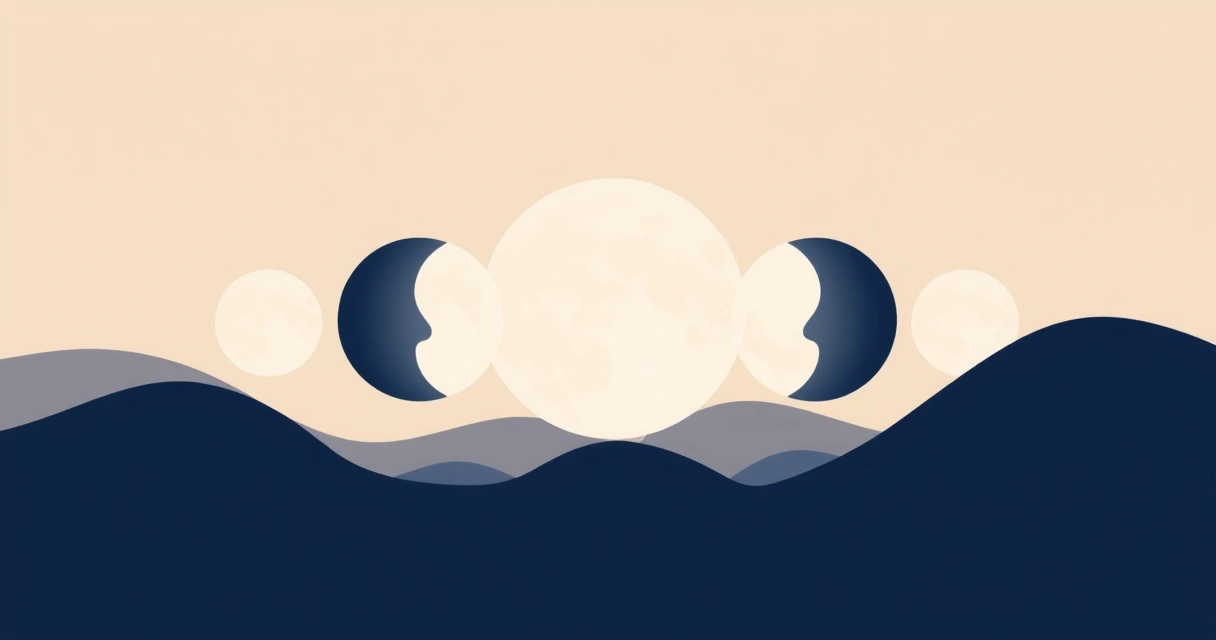
The connection between moon phases and emotions is far more than a poetic metaphor; it is a biological and psychological rhythm that has governed human behavior for millennia. Just as the Moon’s gravitational pull dictates the tides of the Earth’s oceans, it exerts a subtle yet profound influence on the "internal tides" of our emotional bodies, which are composed of approximately 60% water.
Quick Summary:
- The 29.5-day synodic cycle acts as a blueprint for emotional expansion and contraction.
- New Moons represent a "reset" for the subconscious, while Full Moons bring buried feelings to the surface.
- Your natal Moon sign dictates how sensitive you are to these monthly transits.
- Tracking the Moon through the 12 zodiac signs helps predict specific mood shifts.
Moon phases and emotions are linked through the Moon’s transit across our natal charts, triggering specific psychological responses based on where the Moon is currently positioned. During the New Moon, we often experience a dip in physical energy and a rise in introspective thought, whereas the Full Moon typically marks a peak in social activity, emotional intensity, and even sleep disruption. Understanding this 29.5-day cycle allows you to stop fighting your moods and start working with your natural energetic flow.
The Science and Symbolism of Lunar Influence on Mood
Ancient civilizations observed that the lunar cycle, specifically the synodic month (the time from one New Moon to the next), mirrored the human reproductive cycle and the growth patterns of vegetation. In modern times, researchers have looked for the "lunar effect" in various sectors. A study published in Science Advances found that in the days leading up to a Full Moon, people generally go to sleep later and sleep for shorter periods, which directly impacts emotional regulation and irritability.
The Moon moves approximately 13.2 degrees through the sky every 24 hours, changing zodiac signs every 2.5 days. This rapid movement is why your mood can feel like a roller coaster. While the Sun represents our outward identity and ego, the Moon governs the subconscious, our instincts, and how we feel safe. When the Moon enters a water sign like Scorpio, even the most stoic individuals may find themselves grappling with intense, hidden feelings. This is particularly true for those with a strong Scorpio placement, such as those born under the Nov 10 Zodiac, who naturally experience emotions with a piercing depth.
Key Takeaway: The Moon is the fastest-moving "planet" in astrology, making it the primary driver of our day-to-day emotional fluctuations and instinctive reactions.
Tracking the Eight Moon Phases and Emotional Responses
To master your emotional health, you must recognize that the lunar cycle is divided into eight distinct phases, each carrying a unique energetic signature. These phases function like a cosmic breath—inhaling (waxing) and exhaling (waning).
The New Moon: The Seed of Intention
During the New Moon, the Moon is positioned between the Earth and the Sun, making it invisible to our eyes. Emotionally, this is a time of "empty space." You might feel a sense of quiet or even a slight melancholy. This is not a time for social heavy lifting; it is a period for solitude and setting intentions for the month ahead.
The Waxing Phases: Building Momentum
As the Moon begins to grow (the Waxing Crescent and First Quarter), your energy levels typically rise. The First Quarter Moon, occurring about seven days after the New Moon, often brings a "crisis of action." You may feel frustrated or impatient as you encounter the first obstacles to the goals you set a week prior. Use this friction to fuel your productivity rather than letting it turn into interpersonal conflict.
The Full Moon: Peak Intensity and Revelation
The Full Moon is the emotional climax of the cycle. Because the Moon is directly opposite the Sun, our inner needs (Moon) and outer demands (Sun) are often in conflict. This phase illuminates what was previously hidden in the subconscious. If you have been suppressing anger or sadness, the Full Moon will likely bring it to the surface. It is a time of high energy, vivid dreams, and heightened sensitivity.
Curious how the current lunar phase is interacting with your specific birth chart? Use our AI-powered tool to get instant clarity on your emotional transits.
How Your Natal Moon Sign Shapes Your Lunar Sensitivity
While the current moon phase affects everyone, your natal Moon sign determines your baseline emotional "weather." Your Moon sign describes how you process experiences and what you need to feel secure. For example, a person with a Moon in Libra will find their emotional balance is highly dependent on the harmony of their relationships. This is a common theme for those influenced by the October 16th Astrological Sign, where the search for equilibrium is a lifelong journey.
The element of your Moon sign is the most significant factor in how you experience the lunar cycle:
- Fire Moons (Aries, Leo, Sagittarius): Experience emotions as physical impulses; they need movement and expression to process feelings.
- Earth Moons (Taurus, Virgo, Capricorn): Process emotions through the body and tangible results; they may "work through" their feelings by organizing or building.
- Air Moons (Gemini, Libra, Aquarius): Need to talk or write through their emotions to understand them intellectually.
- Water Moons (Cancer, Scorpio, Pisces): Feel the lunar cycle most acutely; they are highly empathetic and often absorb the emotions of those around them.
A Pisces Lady, for instance, might feel the transition from a New Moon to a Full Moon as a literal change in her psychic environment, requiring extra boundaries to avoid emotional burnout. Understanding these nuances is vital for relationship health, as seen in Pisces and Scorpio Compatibility, where both partners must navigate the deep, often turbulent waters of their shared lunar sensitivity.
Comparison of Moon Phases and Emotional Themes
Use the table below to identify where we are in the current cycle and how you should adjust your emotional expectations.
| Moon Phase | Lunar Cycle Day | Emotional Theme | Suggested Action |
|---|---|---|---|
| New Moon | 0–3.5 | Introspection, Stillness | Journaling, Rest |
| Waxing Crescent | 3.5–7 | Curiosity, Planning | Research, Small Steps |
| First Quarter | 7–10.5 | Resistance, Tension | Problem Solving |
| Waxing Gibbous | 10.5–14 | Refinement, Anticipation | Editing, Preparation |
| Full Moon | 14–17.5 | Peak Energy, Release | Socializing, Letting Go |
| Waning Gibbous | 17.5–21 | Gratitude, Sharing | Teaching, Networking |
| Third Quarter | 21–24.5 | Evaluation, Forgiveness | Cleaning, Breaking Habits |
| Balsamic Moon | 24.5–29.5 | Surrender, Healing | Meditation, Sleep |
Practical Strategies for Managing Monthly Emotional Shifts
Instead of being a victim of the "lunar blues" or Full Moon anxiety, you can use specific tools to ground yourself. The first step is lunar tracking. For three months, record your mood daily alongside the moon phase and the sign the Moon is in. Most people find a startling pattern—perhaps you always feel irritable when the Moon is in Aries, or deeply tired when it transits your 12th House.
During the Waning Moon (the two weeks after the Full Moon), focus on "emotional decluttering." This is the best time to have difficult conversations or end situations that are no longer serving you. The energy of the waning cycle supports release. Conversely, use the Waxing Moon for "emotional building." If you want to cultivate more confidence or joy, start the practices that support those feelings during the days leading up to the Full Moon.
Key Takeaway: Alignment with the lunar cycle isn't about being perfect; it's about having compassion for your fluctuating energy and knowing that "this too shall pass" as the Moon moves to the next sign.
The Role of Planetary Transits and Your Birth Chart
The Moon does not act alone. Its influence on your emotions is amplified or modified by its relationship to other planets in the sky. When the Moon makes a "hard aspect" (like a square or opposition) to Saturn, you might feel a temporary wave of loneliness or inadequacy. If it aligns with Jupiter, you might feel an unexplainable burst of optimism.
Furthermore, the House placement of the transiting Moon is crucial. If the Moon is moving through your 4th House of home and family, your emotional focus will be on your private life and roots. If it moves through your 10th House, your moods will be tied to your career and public reputation. Tracking these movements through a personalized natal chart report is the most effective way to predict your emotional highs and lows with surgical precision.
Ready to stop guessing why you feel the way you do? Our AI chatbot can analyze your birth chart and the current moon phase to give you a personalized emotional forecast today.
Frequently Asked Questions
Why do I feel so emotional during a Full Moon?
The Full Moon creates a gravitational and energetic peak that affects our circadian rhythms. Lower melatonin levels and higher environmental light can lead to poor sleep, which reduces our emotional resilience. Additionally, in astrology, the Full Moon represents the culmination of the subconscious cycle, forcing suppressed emotions into our conscious awareness.
How long do the emotional effects of a moon phase last?
The peak intensity of a New or Full Moon usually lasts about 48 hours—24 hours before the exact alignment and 24 hours after. However, the general "theme" of the moon phase (waxing or waning) lasts for approximately two weeks. Individual transits of the Moon through a specific zodiac sign last about 2.5 days.
Can the moon affect my relationships and compatibility?
Yes. Moon signs are the foundation of emotional compatibility. When the transiting Moon hits a sensitive spot in your partner’s chart, they may become more reactive. Understanding your partner's lunar cycle can help you navigate their moods with more empathy and less personalization of their emotional states.
What is a "Void of Course" Moon and how does it affect mood?
A Void of Course (VOC) Moon occurs when the Moon has finished its last major aspect in one sign but hasn't yet entered the next. This period can last from a few minutes to several hours. Emotionally, people often feel "adrift" or disconnected during a VOC Moon. It is a poor time for making major decisions or starting new projects, as they often fail to take root.